
What Questions Should You Ask Before Beginning Semaglutide Weight Loss in Florida?
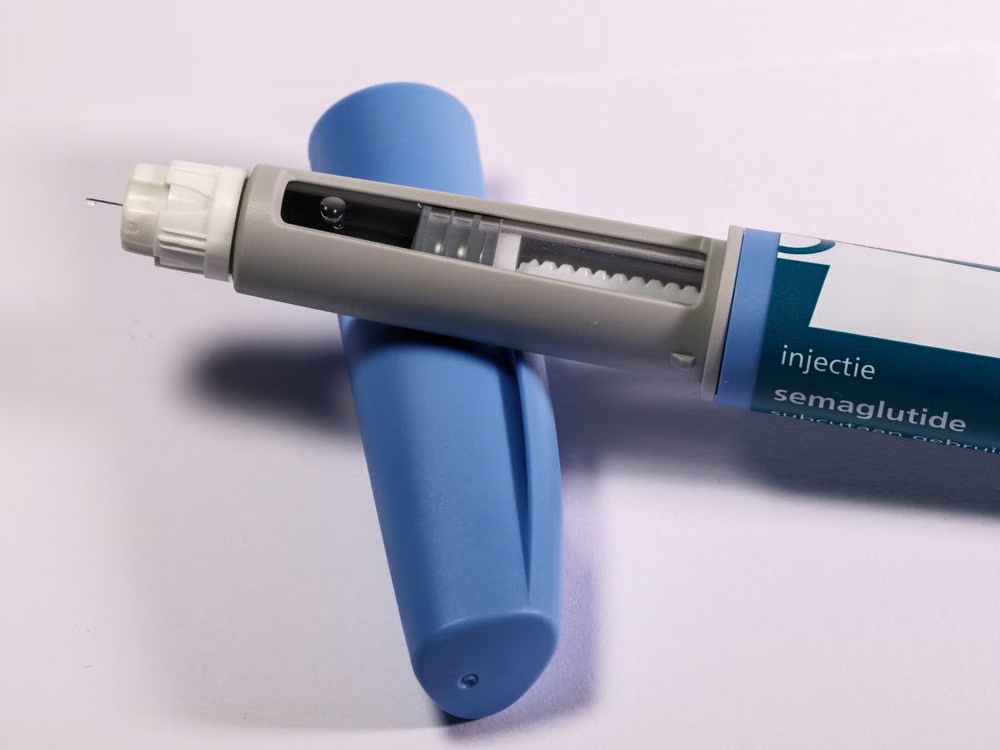
Weight loss medications are everywhere right now, and it is easy to feel overwhelmed by all the information. Before you start any new treatment, the smartest move is to ask good questions first. If you are considering Semaglutide treatment for weight loss in Florida, walking into your consultation prepared can make all the difference.
We have sat across the table from many people just starting this journey. The ones who feel most confident are the ones who came with a clear list of questions. Let’s walk through exactly what to ask, and why each question matters.
What Is Semaglutide, and How Does It Work?
Semaglutide is a type of medication called a GLP-1 receptor agonist. That is a mouthful, so let’s break it down simply.
Your body naturally releases a hormone called GLP-1 after you eat. This hormone helps control blood sugar and tells your brain that you are full. Semaglutide copies this hormone. It slows down digestion and reduces hunger, which helps you eat less without feeling like you are fighting your own body.
It’s worth knowing that semaglutide is sold under a few different names. Ozempic is approved for type 2 diabetes. Wegovy is the version specifically approved for weight management. Some clinics also offer compounded semaglutide, which is not FDA-approved and should come with extra questions about sourcing and safety.
Questions About Your Health History
This is the most important category, and it should come first in any real consultation. Your provider needs a full picture before recommending any treatment.
Q. Do I have any personal or family history of thyroid cancer?
Ans: Semaglutide carries a boxed warning about a rare type of thyroid tumor, based on findings in animal studies. It should not be used by anyone with a personal or family history of medullary thyroid carcinoma or Multiple Endocrine Neoplasia syndrome type 2.
Q. Have I ever had pancreatitis?
Ans: A history of pancreas problems is an important detail your provider needs to know before starting treatment.
Q. Do I have digestive conditions like gastroparesis?
Ans: Since semaglutide slows digestion, existing stomach or digestion issues need to be discussed upfront.
Q. Am I pregnant, breastfeeding, or planning to become pregnant?
Ans: This medication is not recommended during pregnancy or breastfeeding, and it should be stopped well before trying to conceive.
Q. What other medications do I currently take?
Ans: Some diabetes medications, in particular, can raise your risk of low blood sugar when combined with semaglutide.
Questions About the Treatment Plan
Once your health history is covered, the conversation should shift to what your actual treatment will look like.
| Question to Ask | Why It Matters |
| What dose will I start on, and how will it change over time? | Semaglutide is typically started at a low dose and increased gradually to reduce side effects. |
| How often will I have follow-up appointments? | Regular check-ins help track progress and catch side effects early. |
| How is this different from diabetes-focused semaglutide? | Weight-loss dosing and diabetes dosing can differ, so it helps to know which protocol you are on. |
| What results are realistic for someone like me? | Everyone responds differently, so ask about a realistic range instead of a single number. |
| Will I need to stay on this long term? | Many people regain some weight after stopping, so it helps to understand the long-term plan. |
Who Is a Typical Candidate?
Not everyone who wants to lose a few pounds needs a medication like this. Semaglutide for weight management is generally intended for adults with a body mass index of 30 or higher, or a BMI of 27 or higher when paired with a weight-related health condition like high blood pressure or type 2 diabetes.
This does not mean it is off-limits outside those numbers. But it does mean your provider should explain why this treatment fits your specific situation, rather than treating it as a one-size-fits-all solution for anyone who wants to drop weight.
Questions About Side Effects and Safety
No medication is risk-free, and a good provider will walk you through this honestly instead of glossing over it.
The most common side effects include nausea, vomiting, diarrhea, constipation, and stomach discomfort. These tend to be strongest when your dose increases and often ease over time. Less common but more serious issues can include gallbladder problems, kidney problems linked to dehydration, and severe allergic reactions.
Ask your provider what warning signs should send you straight to a doctor. Severe stomach pain that does not go away, vision changes, or swelling in your face or throat are all reasons to seek help right away.
Questions About Cost and Logistics
Practical questions matter just as much as medical ones, especially with a treatment that often continues for months.
Ask whether the cost includes follow-up visits or just the medication itself. Ask how prescriptions are filled, and whether the clinic uses FDA-approved medication or a compounded version. If you are researching Semaglutide weight loss in Florida, it also helps to ask how appointments work, since some providers offer virtual check-ins between visits.
Putting It All Together
A thorough consultation should feel like a real conversation, not a sales pitch. You should leave with a clear picture of your health risks, your treatment plan, your expected side effects, and your total cost.
If a provider rushes through your history or skips these questions altogether, that is worth noticing. The right fit is a provider who takes the time to make sure this treatment truly makes sense for your body.
FAQs
Q. Is semaglutide safe for everyone trying to lose weight?
Ans: No. It is not recommended for people with a personal or family history of certain thyroid cancers, and it requires a full health review before starting.
Q. How much weight can I expect to lose?
Ans: Results vary by person, but clinical studies show meaningful average weight loss over several months when combined with diet and lifestyle changes.
Q. Do I have to inject semaglutide, or is there a pill option?
Ans: Both options exist. Injectable and oral versions are available, and your provider can help you decide which fits your comfort level.
Q. What happens if I stop taking semaglutide?
Ans: Many people experience some weight regain after stopping, which is why an ongoing plan with your provider matters.
Q. Will insurance cover semaglutide for weight loss?
Ans: Coverage varies widely by plan and diagnosis. It is worth asking your provider or insurance company directly before starting treatment.
Let’s Talk Through Your Questions Together
Starting a new weight loss treatment can feel like a big decision, and it should. You deserve real answers, not a rushed appointment. We always tell people that the right consultation should leave you feeling informed, not confused.
That is exactly the kind of conversation we aim for at Angelic Lift. We take your full health history seriously and walk through every question before recommending a plan. If you are ready to talk through your options and figure out what makes sense for you, let’s schedule your consultation and go from there.