
What Is Chemical Peel Treatment in Florida, and Is It Right for Your Skin Type?
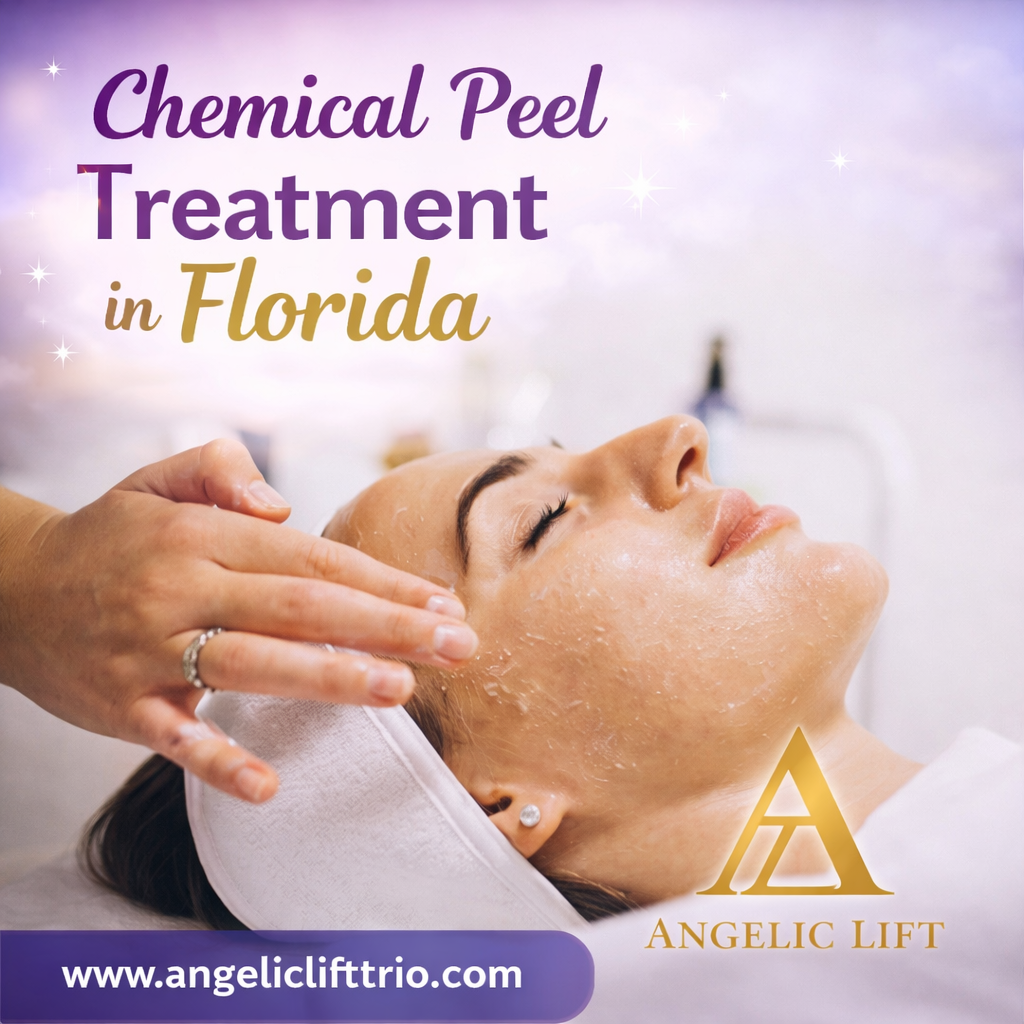
Clear skin feels great. But sun, acne, and aging can leave marks behind. Many people now ask if chemical peel treatment can help refresh dull or uneven skin.
Florida’s strong sun can speed up dark spots and fine lines. That is why more people also explore non-invasive dermatological treatment in Florida to improve skin without surgery. In this guide, we explain what chemical peels do, how they work, and how to know if one fits your skin type.
What Is a Chemical Peel Treatment?
A chemical peel is a skin treatment that removes the top layer of damaged skin. We apply a safe solution to the face or other areas. This solution gently loosens old skin cells. Over a few days, the skin peels and reveals smoother skin underneath.
Think of it like hitting reset on tired skin. The old layer sheds. Fresh skin shows up. Many people choose chemical peel treatment in Florida to treat sun damage, acne scars, or uneven tone caused by heat and UV exposure.
How Does a Chemical Peel Work?
The process is simple and step-based.
Step 1: Skin Assessment
We first look at your skin type and concerns. This helps decide the right peel strength.
Step 2: Cleansing
Your skin is cleaned to remove oil and dirt.
Step 3: Application
The peel solution is applied for a few minutes.
Step 4: Neutralizing or Removal
Depending on the type, the solution is removed or self-neutralizes.
Step 5: Peeling and Recovery
Skin may flake for a few days. New skin forms underneath.
Results often appear brighter and smoother after healing.
What Types of Chemical Peels Are Available?
Not all peels are the same. They come in three main types.
Light Peels
Light peels use mild acids. They treat dull skin and mild acne. Recovery is quick, often a few days.
Medium Peels
Medium peels go deeper. They help with dark spots and fine lines. Peeling may last about a week.
Deep Peels
Deep peels treat deeper wrinkles or scars. Recovery takes longer. These are less common and require careful screening.
We help choose the right strength based on your goals and comfort level.
What Skin Concerns Can Chemical Peels Help With?
Many people ask what problems peels actually fix. Here are common concerns:
- Sun damage
- Dark spots
- Uneven skin tone
- Acne and acne marks
- Fine lines
- Rough texture
In sunny climates, chemical peel treatment in Florida is often used to reduce sun-related pigmentation.
Is Chemical Peel Treatment Safe for All Skin Types?
Safety depends on skin type and peel strength. Lighter peels are usually safe for most skin tones. Medium and deep peels need careful planning, especially for darker skin tones, to avoid uneven color.
We always review your skin history first. That includes past reactions, acne flare-ups, or sensitivity issues. When done properly, chemical peel treatment in Florida can be safe and effective for many people.
How Is It Different From Other Non-Invasive Treatments?
Some people confuse peels with lasers or facials. They are different. A peel uses a chemical solution to remove surface layers. Other options, like microneedling or radiofrequency, stimulate collagen without peeling.
If you want a smoother texture with little downtime, a peel may work. If you want skin tightening without peeling, a non-invasive dermatological treatment in Florida, such as radiofrequency, may be better. Both options avoid surgery and long recovery times.
What Should You Expect After a Chemical Peel?
After treatment, the skin may look red or feel tight. This is normal. Peeling usually starts within two to three days. It can last up to a week, depending on strength. During recovery:
- Use a gentle cleanser
- Apply sunscreen daily
- Avoid picking peeling skin
- Skip harsh products
The Florida sun can slow healing. That is why sunscreen matters after chemical peel treatment in Florida.
Who Is a Good Candidate for Chemical Peel Treatment?
You may be a good candidate if:
- You have mild to moderate skin damage
- You want a smoother texture
- You prefer non-surgical options
- You are ready to follow the aftercare steps
Pregnant women or people with active infections may need to wait. We always review health history before treatment.
How Often Should You Get a Chemical Peel?
Light peels can be done every four to six weeks. Medium peels are spaced further apart. Deep peels are often done once. Frequency depends on your skin goals. Some people use peels as part of a long-term skincare plan. We may also combine peels with other non-invasive dermatological treatments in Florida for better results.
How Do You Know If It Is Right for Your Skin Type?
Choosing the right treatment can feel confusing. Here is a simple way to think about it.
- If your main issue is surface-level, like dullness or mild spots, a light peel may help.
- If you have deeper acne marks or uneven tone, a medium peel may work better.
- If you are unsure, a skin consultation helps match treatment to your needs.
We focus on realistic goals and safe steps. That way, the results look natural and healthy.
Are There Risks or Side Effects?
Most side effects are mild. You may see redness, peeling, or dryness. These usually fade within days. Rare risks include infection or uneven pigmentation. These are more likely if aftercare is ignored. That is why choosing trained providers matters when considering chemical peel treatment in Florida.
FAQs
Q: How long does a chemical peel last?
Ans: Results can last several months. This depends on your skin type and sun exposure. Regular skincare and sunscreen help maintain results longer.
Q: Does a chemical peel hurt?
Ans: You may feel mild tingling or warmth during treatment. Most people tolerate it well. Stronger peels may cause more discomfort, but it is temporary.
Q: How long does it take to heal from a chemical peel?
Ans: Light peels heal in a few days. Medium peels may take about one week. Healing time depends on peel strength and skin type.
Q: Can chemical peels remove dark spots?
Ans: Yes, peels can reduce dark spots by removing damaged skin layers. Multiple sessions may be needed for deeper pigmentation.
Q: Is a chemical peel better than other non-invasive treatments?
Ans: It depends on your goal. Peels improve texture and tone. Other non-invasive dermatological treatment options may focus on tightening or collagen growth.
Ready to Refresh Your Skin With the Right Treatment?
Choosing the right skin treatment should feel clear, not confusing. If you are thinking about chemical peel treatment in Florida or exploring a safe, non-invasive dermatological treatment, we are here to guide you.
At Angelic Lift, we focus on safe care and natural-looking results. We take time to understand your skin and goals. If you are ready to learn what fits your skin best, we invite you to book a consultation with us at Angelic Lift and take the first step toward smoother, healthier skin.