
How Do You Choose the Right Chemical Peel Treatment in Florida for Your Skin Type?
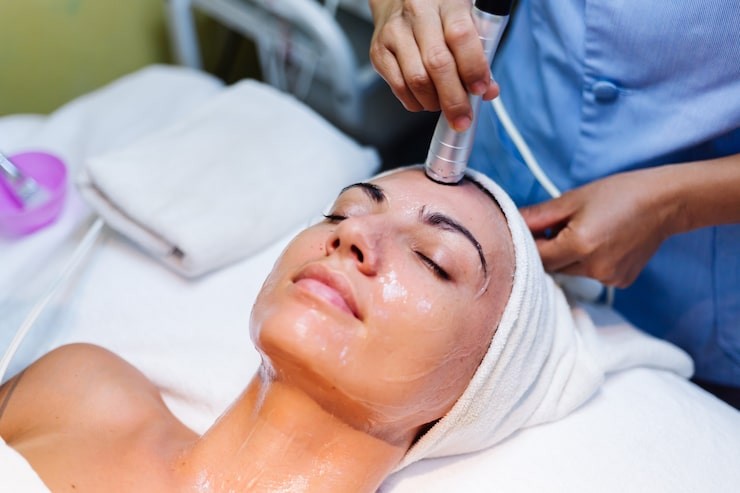
Ever looked in the mirror and wondered why your skin looks so tired? Florida sun, salty air, and sticky summers can leave skin dull, spotty, or oily. A peel can help, but the wrong one can cause more trouble than it solves. Choosing a chemical peel treatment in Florida starts with knowing your skin type. In this guide, we walk you through the process the way a friend would. We cover peel depths, skin types, safety, and simple steps to pick well.
What Is a Chemical Peel, and How Does It Work?
A chemical peel uses a mild acid to loosen the top layer of dead skin cells. Your skin sheds this layer over a few days. Fresh, smoother skin shows up underneath. Peels are most common on the face. They can also treat the neck, chest, and hands. They may help with acne, dark spots, fine lines, and rough texture. In our experience, the best results come from matching the peel to the person, not the trend.
The Three Peel Depths
Every peel falls into one of three depths. Here is how they compare.
- Light peels: These use mild acids like glycolic, lactic, mandelic, or salicylic acid. They only reach the top layer, so downtime is short.
- Medium peels: These use trichloroacetic acid, often called TCA. They go deeper to treat sun damage, acne scars, and fine lines. Expect redness and flaking for several days.
- Deep peels: These use phenol, the strongest option. Recovery takes weeks, so a medical provider must supervise the whole process.
Which Peel Fits Your Skin Type?
Your skin type shapes which peel works best. Here is how we usually think about each one.
Oily or Acne-Prone Skin
Salicylic acid is a popular pick here. It cuts through oil inside pores, which helps with clogs and breakouts. Glycolic acid also works well for dull, bumpy texture. A series of light peels often does more than one strong session.
Dry Skin
Lactic acid and mandelic acid are gentler choices. They exfoliate while leaving some moisture behind. Dry skin flakes easily, so a rich moisturizer matters after every visit. Starting light is the safest path.
Sensitive Skin
Low-strength peels are the best starting point. Mandelic acid is known for being mild, and a small test area is a smart first step. Tell your provider about redness, stinging, or eczema. A careful plan keeps irritation low.
Combination Skin
Your T-zone may be oily while your cheeks stay dry. One peel rarely fits both areas. A skilled provider can use different strengths on different spots. They may also alternate peels over several visits.
Darker Skin Tones
Darker skin can turn darker after a peel. This is called post-inflammatory hyperpigmentation. Gentler acids and lower strengths reduce the risk. Choose a provider with proven experience treating your skin tone. Strict sun protection matters even more here.
Why Florida Skin Needs Extra Care
Florida has strong UV rays nearly all year. Peeled skin is new and tender, so it burns fast. Plenty of providers prefer fall and winter for deeper peels. Light peels may work year-round with strict sun care.
Daily sunscreen of SPF 30 or higher is a must. A wide-brim hat and shade help too. Skip tanning beds and long beach days before and after your visit. Humidity also adds sweat and oil, so gentle cleansing becomes part of your routine. If you are researching a chemical peel treatment in Port Orange, FL, ask how the clinic plans for sun and heat. A good provider talks about timing, not just products.
Step-by-Step: How to Choose Your Peel
Picking a peel feels easier with a clear plan. Here are the steps we share with friends.
- Name your main goal: Do you want to calm breakouts, fade dark spots, or smooth fine lines? One clear goal narrows your options fast.
- Know your skin type and tone: Oily, dry, sensitive, and combination skin each respond differently. Your skin tone also affects the risk of dark patches.
- Share your health history: Tell your provider about pregnancy, past scarring, cold sores, and any acne medicine you take. Some of these may mean waiting or choosing another option.
- Ask about depth and downtime: A light peel may fit a busy week. A medium peel needs a calmer schedule.
- Start gentle and build up: Stronger is not always better. A mild peel done well can beat a harsh one done once.
- Plan your aftercare: Gentle cleanser, moisturizer, and sunscreen are your best friends. Never pick at flaking skin, because it can leave marks.
Questions to Ask Before You Book
A good consultation should feel like a conversation. Ask who will perform the peel and what training they have. Ask which acid and strength they plan to use for your skin. Ask what results are realistic and how many visits you may need. Be careful if someone promises dramatic results with no downtime. Real skin care takes patience. A trustworthy provider explains the risks as clearly as the benefits.
FAQs
Q. How often can you get a chemical peel?
Ans: Light peels are often spaced two to six weeks apart. Medium peels usually need several months between sessions. Your provider sets the schedule based on your skin and your results.
Q. Does a chemical peel hurt?
Ans: Most people feel mild tingling or warmth. Medium peels can sting more. Deeper peels often need numbing or pain relief. Tell your provider right away if you feel too much discomfort.
Q. How long does it take for skin to peel after a chemical peel?
Ans: Peeling often starts two to three days after treatment. Light peels finish within a few days. Medium peels can take a week or longer. Never pick at flaking skin.
Q. Is a chemical peel worth it?
Ans: It can be, when the peel matches your skin and goals. Peels may improve texture, tone, and acne marks. Results depend on peel depth and aftercare. A consultation helps you decide.
Q. Can you use retinol before a chemical peel?
Ans: Providers often ask you to pause retinol and other strong products several days before a peel. Your provider will give exact timing. Follow it closely to avoid irritation.
Book Your Skin Consultation Today
Choosing a peel does not have to feel confusing. At Angelic Lift, we love helping people in Port Orange find the right match for their skin. We listen first, talk through your goals, and build a plan you feel good about. If you want a chemical peel treatment in Port Orange, FL, we are here to guide you. Ready to explore a chemical peel treatment made for your skin type? Reach out today and book your consultation with us.