Body Contouring Options in Florida: How to Choose Based on Your Body Goals?
Ever look in the mirror after months of hard work and still see a spot that just won’t budge? You’re not alone. Diet and exercise can only do so much for certain areas, and that’s exactly why so many people start looking into body contouring options in Florida. The good news is you have more choices today than ever before, and none of them require guesswork if you know what to look for.
We’ve spent years walking clients through this exact decision. In this guide, we’ll break down what body contouring actually is, the main paths you can take, and how to match a method to your specific goals. No fluff, no hype, just the facts you need to make a smart choice.
What Body Contouring Actually Means?
Body contouring is a broad term. It covers any treatment that reshapes or firms a part of your body. Some methods remove fat cells. Others tighten loose skin. Some do both at once.
The key thing to understand is this: body contouring is not a weight loss tool. It works best on stubborn pockets of fat or mild skin laxity that stick around even after you’ve reached a healthy weight. Think of it as the finishing touch, not the starting point.
The Two Main Categories
To keep things simple, body contouring splits into two clear buckets. Understanding this split is the first step toward picking the right one for you.
Non-Invasive Treatments
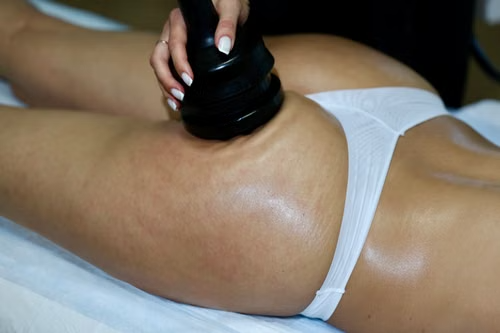
These options work without cuts, needles, or downtime. They use technology like radiofrequency, ultrasound, or controlled cooling to target fat cells or tighten skin from the outside. Non-invasive treatments tend to work gradually. Your body naturally processes the treated fat cells over several weeks. Most people need more than one session to see their full results.
Surgical Procedures
Surgical body contouring includes things like liposuction and tummy tucks. These procedures physically remove fat or excess skin during the operation. Surgery tends to deliver more dramatic, immediate results. But it also comes with real recovery time, higher cost, and more risk. This path makes the most sense for larger amounts of excess skin or fat that non-invasive methods simply cannot address.
Comparing Your Options at a Glance
Here’s a quick side-by-side look to help you see how these approaches stack up.
| Method | Best For | Downtime | Results Timeline |
| Radiofrequency skin tightening | Mild skin laxity, smoothing texture | None to minimal | 8 to 12 weeks |
| Cryolipolysis (fat freezing) | Small, stubborn fat pockets | None | 8 to 12 weeks |
| Muscle stimulation treatments | Toning and firming muscle tone | None | 6 to 12 weeks |
| Liposuction | Larger areas of excess fat | 1 to 2 weeks light duty | Final results in 3 to 6 months |
| Tummy tuck | Excess skin plus fat, often post-pregnancy | 2 to 4 weeks light duty | Immediate change, full results in 3 to 6 months |
This table is a starting point, not a final answer. Keep in mind that “downtime” here means when most people return to light daily activity. Full healing and final results for surgical options usually take longer, often several months, as swelling fully resolves. Your provider should always confirm which option fits your body and health history.
How to Choose Based on Your Body Goals?
The right choice really comes down to three questions. Answering these honestly will point you toward the method that fits you best.
- What’s bothering you most? Stubborn fat and loose skin are two different problems. Fat-reduction treatments won’t tighten sagging skin, and skin-tightening treatments won’t melt away fat.
- How much change are you looking for? Subtle refinement usually points toward non-invasive options. More dramatic reshaping often calls for a surgical approach.
- How much downtime can you handle? Busy schedules often favor non-invasive treatments, since most let you return to daily life right away.
If you’re still not sure, a consultation is genuinely the fastest way to get clarity. A good provider will look at your skin, your goals, and your health history before recommending anything.
What to Expect During Treatment?
Every method looks a little different, but the general flow tends to follow the same pattern.
- Consultation first: Your provider evaluates your skin, your target area, and your overall health to confirm you’re a good candidate.
- Treatment session: Non-invasive options usually take 30 to 60 minutes and feel like warmth or gentle pressure. Surgical procedures require more prep, anesthesia, and a longer appointment.
- Recovery and results: Non-invasive treatments let you walk out and go about your day. Surgical options need real recovery time. Most swelling and bruising ease within a few weeks, but full healing and final results can take three to six months.
People searching for body contouring in Port Orange often ask how many sessions they’ll need. For non-invasive treatments, most providers recommend a series of two to four sessions, spaced a few weeks apart, to reach full results.
A Quick Word on Cost
Cost is often the deciding factor, so it’s worth addressing directly. Non-invasive treatments are usually priced per session, and the total cost depends on how many sessions you need. Surgical procedures involve a larger upfront investment, but the results typically require no repeat treatments.
Neither path is automatically the “cheaper” choice once you factor in the full picture. A few non-invasive sessions can add up over time, while surgery carries a higher initial cost plus recovery considerations. A provider can walk you through realistic pricing once they know your goals.
FAQs
Is body contouring the same as weight loss?
No. Body contouring reshapes specific areas of fat or skin. It works best for people already close to their goal weight, not as a way to lose significant pounds.
Does body contouring hurt?
Non-invasive treatments usually feel like warmth, pressure, or mild pinching. Surgical procedures involve anesthesia and more noticeable discomfort during recovery.
How long do body contouring results last?
Results can last for years if you maintain a stable weight. Treated fat cells are typically gone for good, though new weight gain can still affect the area.
Can I combine different body contouring treatments?
Yes. Many people combine a fat-reduction treatment with a skin-tightening or muscle-toning session to address more than one concern at once.
Who is a good candidate for body contouring?
Good candidates are near their goal weight, in good general health, and dealing with stubborn fat or mild skin laxity that hasn’t responded to diet and exercise alone.
Ready to Talk About Your Options?
If you’ve made it this far, you already know body contouring isn’t a one-size-fits-all decision. It’s about matching the right method to your body, your goals, and your lifestyle. We always tell clients that the best next step is simply having a real conversation with someone who can look at your specific concerns and walk you through what makes sense. That’s exactly what our team at Angelic Lift is here for. We’ll sit down with you, talk through your goals, and build a plan that actually fits your body, not a generic package. If you’re ready to explore what’s possible, reach out and let’s start the conversation.