
Autoimmune Solutions
Food Allergy Testing
Identify the Foods That May Be Triggering Your Immune System
True food allergies go beyond temporary discomfort—they’re immune system reactions that can cause anything from skin irritation to respiratory issues and even life-threatening anaphylaxis. For individuals managing autoimmune disorders or chronic inflammation, food allergies can further strain an already overactive immune system.
At Angelic Lift, our medical-grade food allergy testing is designed to identify these immune responses with precision—so you can avoid harmful allergens and take meaningful steps toward healing.
What Is a Food Allergy?
A food allergy is an IgE-mediated immune response that occurs when your immune system mistakenly identifies certain proteins in food as harmful. Symptoms can appear within minutes and may include:
- Hives or rashes
- Swelling of the lips, face, or throat
- Wheezing, difficulty breathing
- Digestive distress (nausea, vomiting, diarrhea)
- Dizziness or fainting
- Anaphylaxis (in severe cases)
Unlike food sensitivities or intolerances, food allergies are immune-driven and potentially dangerous. Testing is essential if you suspect a reaction.
What We Test For
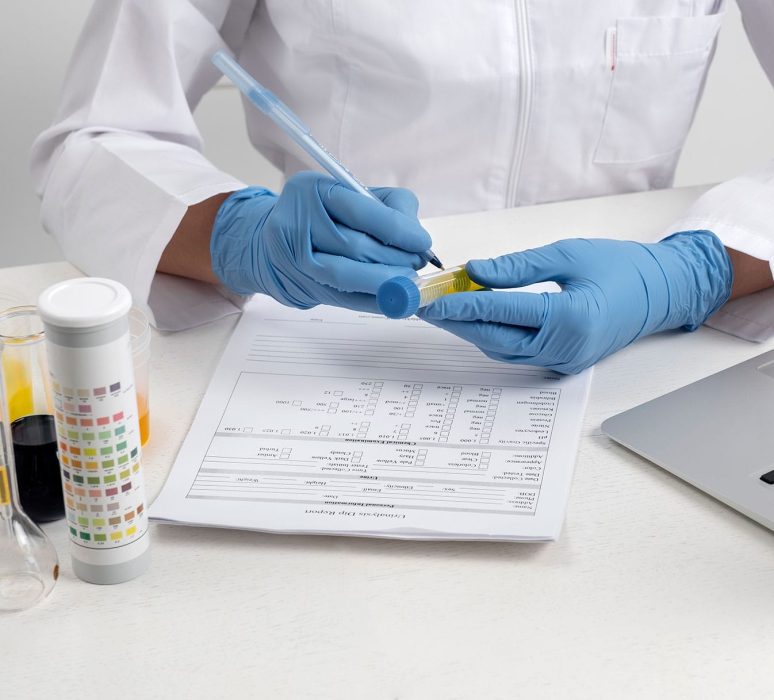
Our food allergy panels screen for the most common and medically relevant allergens using IgE-specific blood testing, including:
- Dairy (milk, cheese, casein, whey)
- Eggs (white and yolk)
- Peanuts & tree nuts
- Shellfish and fish
- Soy
- Wheat
- Sesame
- Other potential allergens upon request
Each test is performed with clinical-grade accuracy and reviewed by licensed professionals.
How the Process Works
1- Initial Consultation
We begin with a focused intake to understand your symptoms, health history, and potential allergy risks.
2- Lab Testing
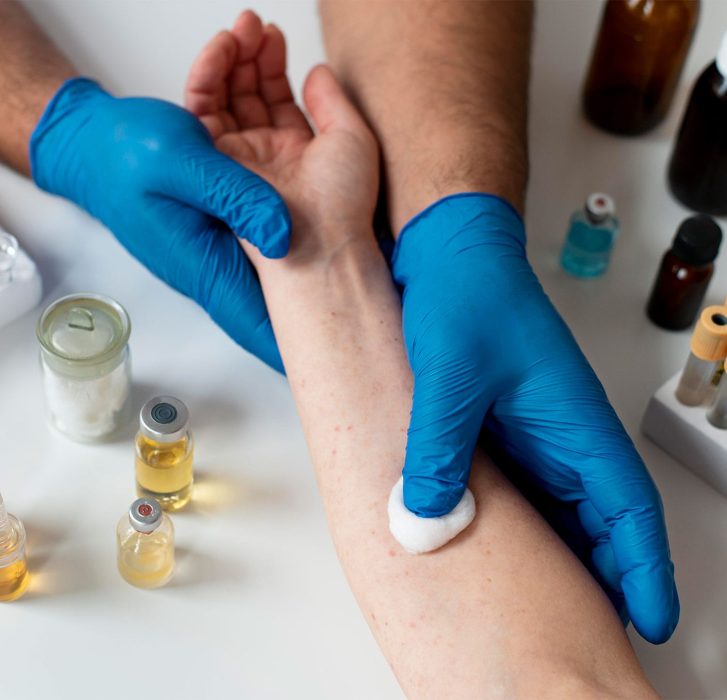
A small blood sample is collected and analyzed at a certified lab for IgE antibody reactivity to common food allergens.
3- Personalized Plan
We explain your results in detail, provide you with a clear allergy list, and offer guidance on food avoidance, substitutions, and lifestyle adjustments—especially helpful for those navigating autoimmune or chronic conditions.Why Choose Angelic Lift?
Licensed Providers in Multiple States
HIPAA-Compliant & Confidential Process
Easy Online or In-Person Appointments
Ongoing Support & Recertification Reminders
Breathe Easier with Clarity
Knowing what’s triggering your immune system can give you peace of mind—and a path forward. At Angelic Lift, we help you take control of your health with the right tools, data, and guidance.
Book your food allergy consultation today and get answers that matter.
Frequently Asked Questions
How do you get tested for a food allergy?
Food allergy testing usually starts with a clinical history and symptom review by a provider. Common methods include blood testing for IgE antibodies and skin prick tests. In some cases, a medically supervised oral food challenge may be used to confirm reactions when results are unclear.
What is the most accurate test for food allergies?
The most reliable diagnosis combines medical history with provider‑administered tests, such as skin prick testing and IgE‑based blood tests. In certain situations, a supervised oral food challenge may be considered the gold standard for confirming a true allergy under professional oversight.
What is medical‑grade food allergy testing?
Medical‑grade testing refers to clinically validated tests done in controlled healthcare settings. These include IgE blood tests and skin prick testing conducted by trained professionals. Results are interpreted alongside your medical history to ensure accurate diagnosis and safe, effective guidance.
How is a food allergy different from a food sensitivity or intolerance?
A food allergy triggers an immune response involving IgE antibodies and can cause serious reactions. Sensitivities or intolerances do not involve IgE and usually affect digestion, causing discomfort but not life‑threatening responses. They are typically identified through dietary changes rather than immune testing.
What symptoms might indicate a food allergy?
Food allergy symptoms vary but commonly include hives, itching, swelling, nausea, vomiting, abdominal pain, and, in severe cases, breathing difficulty or anaphylaxis. Symptoms can appear quickly after eating the trigger food and may require urgent care.
What foods are commonly tested for in allergy panels?
Standard allergy panels test for frequent triggers like dairy (milk, cheese), eggs, peanuts and tree nuts, shellfish and fish, soy, wheat, and sesame. Some panels can be expanded based on your history and symptoms.
How does the testing process work?
After an initial consultation, a small blood sample is taken for IgE‑specific testing against common allergens. A clinician reviews results to identify immune reactions. Some programs also include guided interpretation and follow‑up recommendations based on your unique health profile.
Is food allergy testing safe and accurate?
Yes. When done by licensed professionals using medically validated tests, food allergy testing is generally safe and clinically useful. Accuracy increases when results are interpreted alongside your symptoms and medical history.
Are at‑home food allergy testing kits recommended?
At‑home kits can offer convenience, but experts caution they may lack context and accuracy without professional evaluation. They can show potential IgE reactivity, but any positive finding should be discussed with a healthcare provider for accurate diagnosis and guidance.